If you saw the headlines this week that “the Fed raised rates,” you may have immediately thought→ “Well... there goes mortgage rates.”
Not exactly. And this is one of those real estate topics that gets confusing FAST because we tend to use the word “rates” like they all mean the same thing.
They don't. So if you're thinking about buying a home in Nashville or Middle Tennessee, let's talk about what actually happened — and, more importantly, what it means for your home search. Let’s dive in.
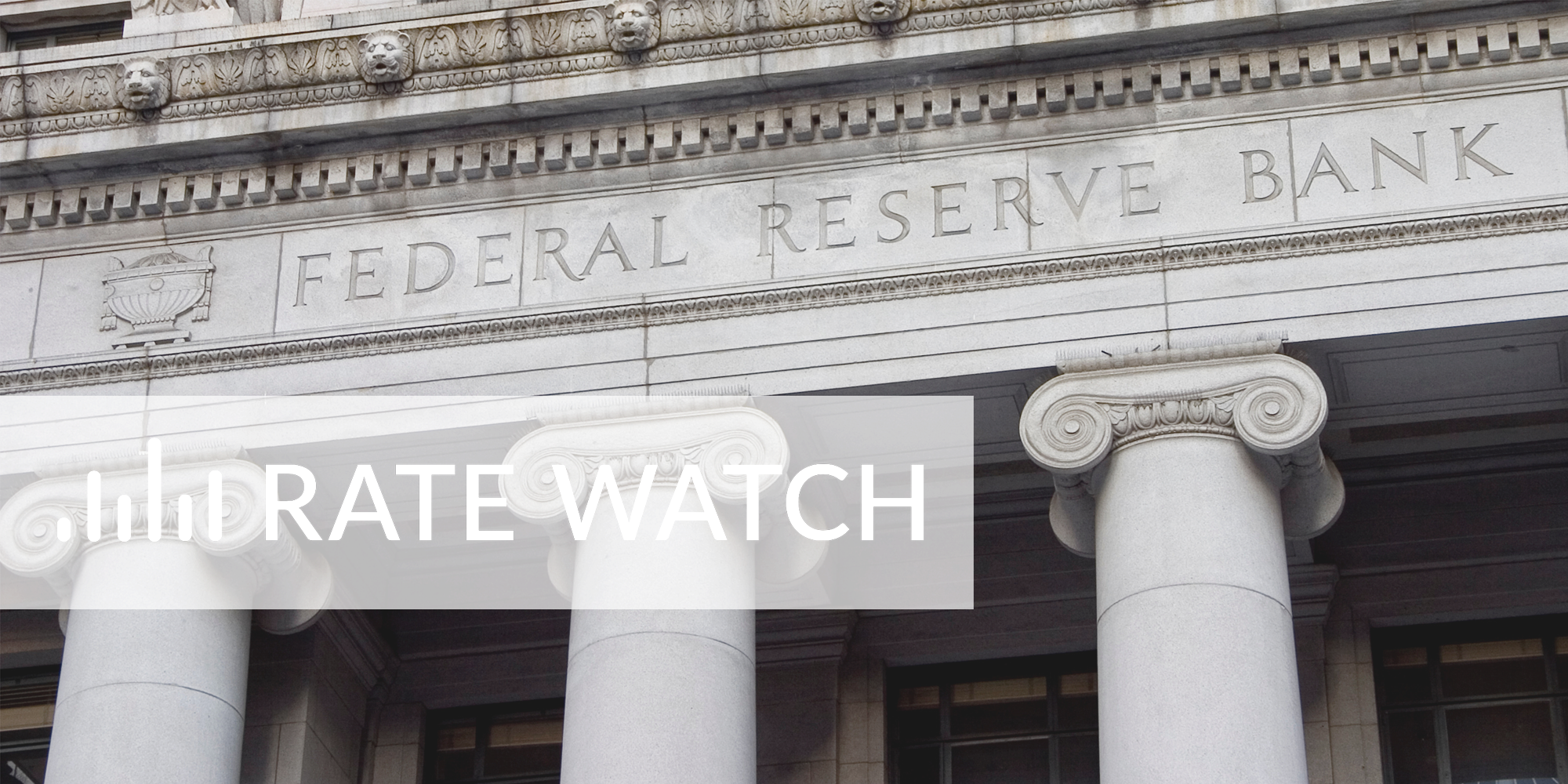
FIRST: The Fed rate is NOT your mortgage rate
This is probably the biggest misconception I hear whenever the Federal Reserve makes an announcement.
On September 16, the Federal Reserve raised its target for the federal funds rate by 0.25 percentage point, bringing the target range to 3.75%–4.00%. BUT here's the important part… The Federal Reserve does not directly set mortgage rates.
The federal funds rate is essentially a short-term rate tied to overnight lending between banks. Mortgage rates operate differently. They are influenced by several things happening in the broader economy, including inflation expectations, the bond market, economic data and investor sentiment.
So when you hear→ “The Fed raised rates by 0.25%.”
That does not automatically mean→ “Mortgage rates just increased by 0.25%.”
Those are two different things.
So... why should home buyers care about the Fed?
Because even though the Fed doesn't directly choose your mortgage rate, its decisions tell us quite a bit about what is happening in the economy.
The Fed said inflation remains elevated while economic activity continues to expand at a solid pace. Its goal with this latest increase is to help bring inflation back toward its 2% target.
And inflation matters quite a bit to the mortgage market. That's why mortgage rates can sometimes move before a Fed announcement even happens. Markets aren't simply reacting to what happened yesterday. They're constantly trying to anticipate what happens next.
Which brings me to something I really want buyers to understand...
Trying to perfectly “time” mortgage rates can actually backfire.
I completely understand the thought process behind → “I'll just wait until rates come down.”
Maybe they will. BUT the question isn't only “What will mortgage rates do?”
It's also → . What will home prices do? What will inventory look like? How much competition will there be? Will sellers still be willing to negotiate? And what will your buying power look like by then?
That's why I don't love telling buyers to base their entire homeownership decision on one economic headline.
I've helped enough buyers around Nashville and Middle Tennessee to know that there isn't one magical market where every piece suddenly falls perfectly into place. A better question is- Does buying make sense for you right now?
That's a very different conversation.
What I'm watching as a Middle Tennessee realtor
From my side of the transaction, I'm watching much more than the mortgage rate ticker.
I'm paying attention to inventory, days on market, price reductions, seller concessions, competition and what homes are actually selling for — because those things can create opportunities for buyers that an interest-rate headline doesn't show you.
For example, a slightly higher interest rate doesn't tell you whether a seller may be willing to contribute toward your closing costs. It doesn't tell you whether we can negotiate a rate buydown. It doesn't tell you whether a home has been sitting long enough that the seller may entertain a stronger negotiation. And it definitely doesn't tell us whether a particular home is overpriced.
The rate is one piece of the affordability puzzle. It isn't the whole puzzle.
Your purchase price isn't the number I care about most. Sorry, but not sorry.
When I'm working with a buyer, I'm much more interested in this question..
What monthly payment are you actually comfortable with?
Because being approved for a certain amount and being comfortable spending that amount every month are two very different things.
From there, your lender and I can work backward. Maybe that means adjusting the purchase price. Maybe we look at homes where seller concessions are more realistic. Maybe your lender shows you what a temporary or permanent rate buydown would look like. Maybe we decide buying right now doesn't make sense at all — and we create a plan for what needs to happen before it does.
That's okay too.
Fun Fact→ My job isn't to convince you that NOW IS ALWAYS THE BEST TIME TO BUY!!! 😂 My job is to help you understand your options well enough that you can make a decision you're comfortable living with after the closing table.
And if you're waiting for rates to drop...
There's nothing wrong with waiting. I just want you to know what you're waiting for.
Instead of saying→ "I'll buy when rates get better."— Let's put actual numbers behind it.
What does today's payment look like? What would the payment look like if rates moved 0.50%? What happens if rates fall but the house you want costs more? What happens if rates rise? And are there homes available today where we could negotiate terms that make the numbers work?
Those are much more useful questions than trying to predict exactly where mortgage rates will be six months from now.
One more thing- talk to a lender before you rule yourself out
Please don't let a headline decide whether you can afford to buy a home.
And please don't let a random mortgage calculator on Google make the decision either.
Your actual numbers depend on your loan program, credit profile, down payment, property taxes, homeowners insurance and several other factors.
There may also be financing strategies worth discussing with your lender, including seller-paid closing costs, rate buydowns and different loan programs.
I handle the real estate strategy.
A trusted lender handles the mortgage strategy.
And when those two sides communicate well? That's where we can really start looking at the entire picture.
THE BOTTOM LINE
Yes, the Fed raised its policy rate.
No, that does not mean the Fed just raised your mortgage rate by 0.25%.
And no, one Fed meeting shouldn't determine whether you buy a house. If you're thinking about buying in Nashville or Middle Tennessee, I'd rather look at your budget, your timeline, your monthly-payment comfort zone and what's actually happening in the specific area you're considering.
Because Hendersonville isn't Franklin.
Goodlettsville isn't East Nashville.
Gallatin isn't Mount Juliet.
And the opportunities available to a buyer can look very different depending on the neighborhood, price point and property.
Don't make a six-figure decision based on a headline. Get the numbers. Look at the market. Understand your options. Then decide what makes sense for you.
Thinking about buying in Middle Tennessee or relocation to Middle Tennessee?
If you've been sitting on the sidelines because you're unsure what today's rates mean for your buying power, I'm happy to help you start with the numbers — without making it a commitment to buy. We can look at the areas you're considering, what's currently available, what sellers are negotiating and what questions you should take to a lender.
Sometimes the answer is, “Yep. We're ready.” Sometimes it's, “Not quite yet.”
Either way, I'd rather you have a strategy than sit around trying to predict the next Fed headline.
Let's figure out what your next move could actually look like.
Contact me today.
Reach out any time and I can connect you with my preferred lender (she’s AMAZING, honest and extremely reliable!) to talk over what this could mean for your home search.
